Clarity precedes Excellence


“Great leaders communicate clearly and constantly,” states Tim Kight.


Clarity begins first from the heart. Leaders don’t just say words; they create feelings with their words. When we lead with clarity, the “why” is the motivator for belief. It isn’t only about what is said – it is how it is communicated and the leader’s energy.


During Covid-19, more than ever, communication has been critical. Even during Community Zoom Meeting with over a thousand people, I haven’t used a scripted. I haven’t tried to hide my emotions or struggles from the community. As a team, we’ve been clear with our goals, our process, and our why. Yes, we’ve adapted and adjusted our plans to new data and health recommendations, but we’ve been faithful to our core principles since March. Our current situation is difficult; we must acknowledge this reality. We must also instill confidence that “we’ve got this together.”


Authentic leaders, those who care deeply and earn trust, achieve results. It’s not a strategic plan or mission statement that motivates people to perform at a high level. It’s clarity of purpose and confidence in the team. It’s a leader who creates a “We not Me” approach and builds a supportive culture.

Competence is Technical Trust

“Competence isn’t about what you know. It is about how you use what you know,” shares Tim Kight.

Earning technical trust is the difference between inspiring and managing. We’ve all worked with leaders who simply manage. They handle the day to day operations by the books. In a school setting, managerial leaders do no harm; they stay the course every day.

Inspirational leaders, those people who earn our trust and move organizations forward, facilitate learning and growth. We’ve all worked with, or for, leaders that motivate us to perform at a higher level. We’d run through walls for these people. Great leaders aren’t always right – they don’t have all the answers. Elite leaders acknowledge what they don’t know. They build credibility through humility and authenticity.

To earn technical trust, leaders tap into the knowledge and experience of the entire team. Covid-19 has expanded our teams; school leaders are working with health commissioners and epidemiologists daily. Not only do we listen to these scientists, we ask questions and share our expertise. We’ve built teams – teams balancing details about infectious diseases with the social-emotional needs of students. When elite leaders from different fields come together with a common purpose, everyone benefits. 

A Connection is Personal Trust

“There is a direct relationship between the level of connection people feel with their leader and the level of effort they are willing to invest in achieving goals.” – Tim Kight.


Building connections is essential for effectively serving any district as Superintendent. There are reasons district leaders live in the communities they serve – building trust and relationships. With my children attending and graduating from our schools, I’ve had the honor of interacting with hundreds of parents. During levy campaigns, I directly engaged with thousands of community members. At Giant Eagle on Saturday morning or the Rusty Bucket for an evening dinner, talking with community members is part of the job – it is critical in cultivating connections.


During Covid-19, building connections is different. We haven’t had Football Friday Nights or Winterfest; personal interactions have been limited. We miss personal communication, but we still strive to connect and engage. We act with empathy and care for each other. We give each other grace. We listen to understand; We adapt and adjust to what’s safe and prudent.


From Community Zoom Meetings with thousands of community members to personal phone calls instead of an email response, to care deeply and listen carefully is critical. I still have much work to do. I need to be more concise in my written responses and pause to hear more when in person. I will live with a growth mindset and continue to create opportunities for connections.

Character is a choice.

Character matters. We earn trust through our repeated behavior over time. It doesn’t matter what leaders say; it only matters what they do. As Tim Kight reminds us, “Talent is a gift. Character is a choice. “


During this Covid-19 crisis, my goal has been consistency and honesty. I know not everyone is going to agree with my recommendations and decisions. During a time of partisan division, this crisis has become way too political to build consensus for a uniformly accepted response. Our community is deeply divided concerning our covid response actions. All I can do is a leader is be consistent and clear.


From the outset, we have been intentional in our partnership with Franklin County Public Health, Columbus Public Health, and our Ohio State University CATS Team. At my core, as an educator, not a public health expert, I believe partnering with local health officials is the right decision.


I am accountable for my recommendations to the Board and decisions as Superintendent. My goal has been to respond to community members when asked questions. I don’t want to be defensive, but instead informative. Our plans have been influenced by the learned information shared by experts within our community.


It’s an honor to serve as Hilliard’s Superintendent and a responsibility I take to heart. I strive to live, and to lead, with my values at my core.

Create a Positive Culture

You don’t need to absorb the energy around you; you can create it.

The continued stress and frustration associated with the coronavirus is all around us. Covid-Frustration is real; we all must confront it head-on. We must be disciplined in our response when others are venting or complaining.

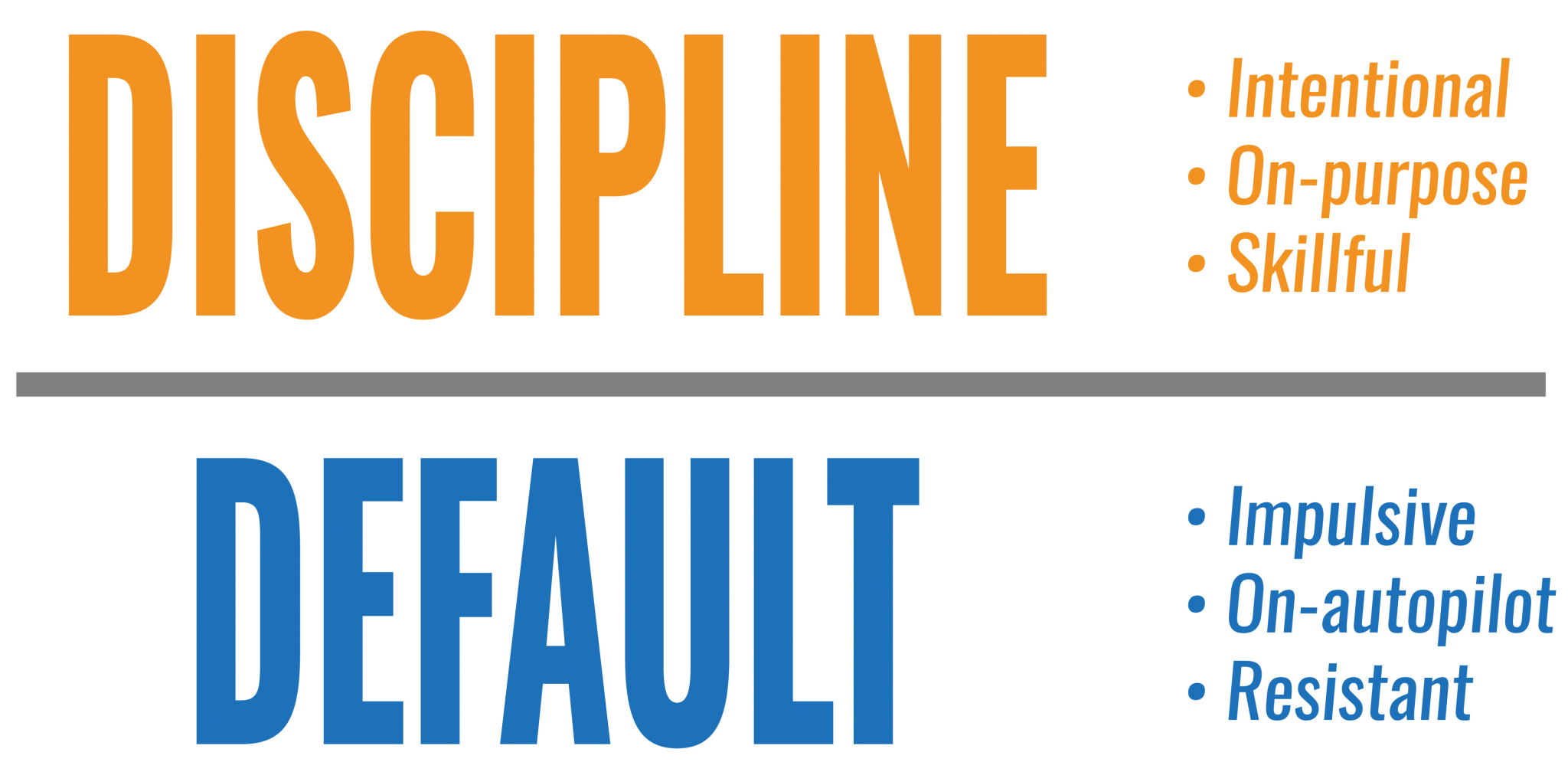
If we permit the negative energy around us to become our default behavior, we become negative. It’s easy to be among colleagues or friends and “join in” the BCD behavior. It’s easy to absorb the energy around us.

When we are disciplined in our actions, not only do we improve our mindset, but we can change the environment for others. We create the culture we desire. Of course, we acknowledge the impact Covid has on our lives – it can’t be ignored. But rather than complaining about it, we Respond with skill. We take action to improve the situation; we embrace productive discomfort and create the best possible Outcome.

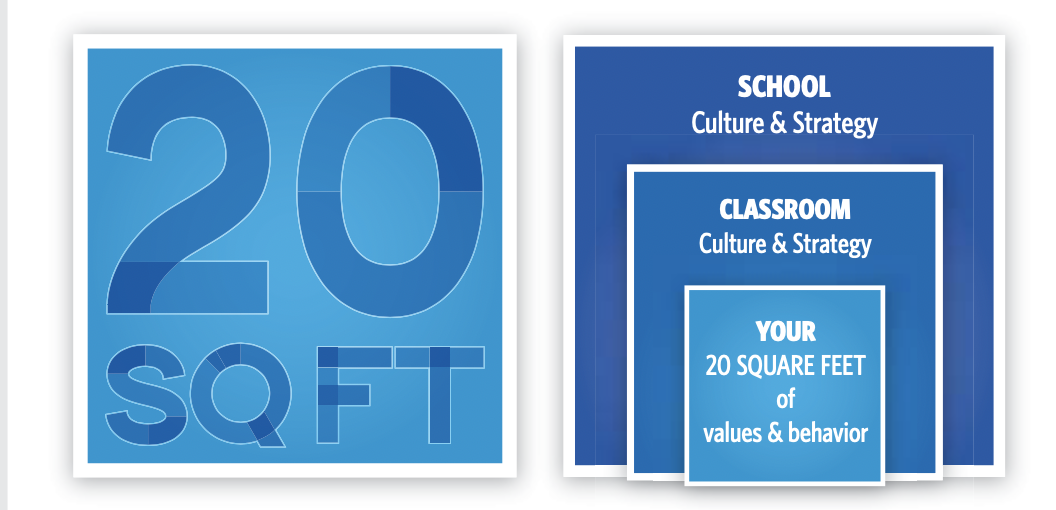
When we utilize our R-Factor Training, we control our 20 square feet. We don’t absorb the environment around us; we create the culture we desire.

Passion for Growth

Our Passion for Growth is vital during this Covid-19 Crisis. We will stay focused on our mission and vision. We know growth requires struggle – it is uncomfortable. We embrace the productive discomfort that is necessary for continuous development and improvement.

During Covid, there is a tendency to develop a “survival mindset.” We must fight this urge. Embracing productive discomfort requires us to be disciplined – to Win the Moment.  We train ourselves to have a Passion for Growth, not to settle for survival. We have the power to Respond to Covid-19 (the Event) with skill; our action determines the Outcome. 

Don’t settle for surviving this crisis. Live with a Passion for Growth to Win the Moment.  Our Core Values don’t work independently; they work together in harmony. We Stand-up and Own our feelings and behavior. When we need help and support, we ask for it. Power of the Team is more critical in times of crisis; we lift each other when we are down. We support one another when we fall Below the Line. Each of us is challenged every day, but when don’t BCD, when we live with discipline, we achieve great things together.

Power of the Team


Our core values include “Power of the Team.” We teach our students to “think we, not me.” We will be more successful working together. We intentionally invest the time to care, listen, and communicate.


Our current Covid crisis has reinforced that we are stronger together. When we work together, when we make each other better, success follows. Our commitment to each other takes us to the next level. When we act selfishly, we are bound to fail. We are all responsible for creating a positive learning and working environment that inspires excellence. As educators we make an implicit promise to put children first. As an essential service for our students, we think “we” before “me.”


We must respect the diversity in our community – it is a strength. Differing opinions and perspectives create new opportunities. While we may not always agree, we are consistently respectful and empathetic. From our Board of Education to building teaching teams, working together is at the heart of our Power of the Team.

Stand Up & Own It

One of our core values is “Stand up & Own it.” We know that personal responsibility is an essential life skill. We teach our youngest students to Stand up & Own it; we expect our teachers, staff, and administrators to model it.


Acting with integrity is a critical behavior. We follow through on our commitments. If we say we will do something, we do it. We are open and honest with each other, even when it is difficult. We do the right thing – even when no one is watching.


Covid-19 has increased our daily stress levels; it challenges our discipline. When emotions are high, when people are frustrated, it is even more crucial that we “Stand up and Own it.” There are times we all act on impulse or say something out of frustration. I’ve “hit send” on that email I’ve later come to regret or vented when I’d have been better served “pressing pause.”


When we own our behavior and give others grace, we create a healthy culture. We make a difference for others when we act with purpose.

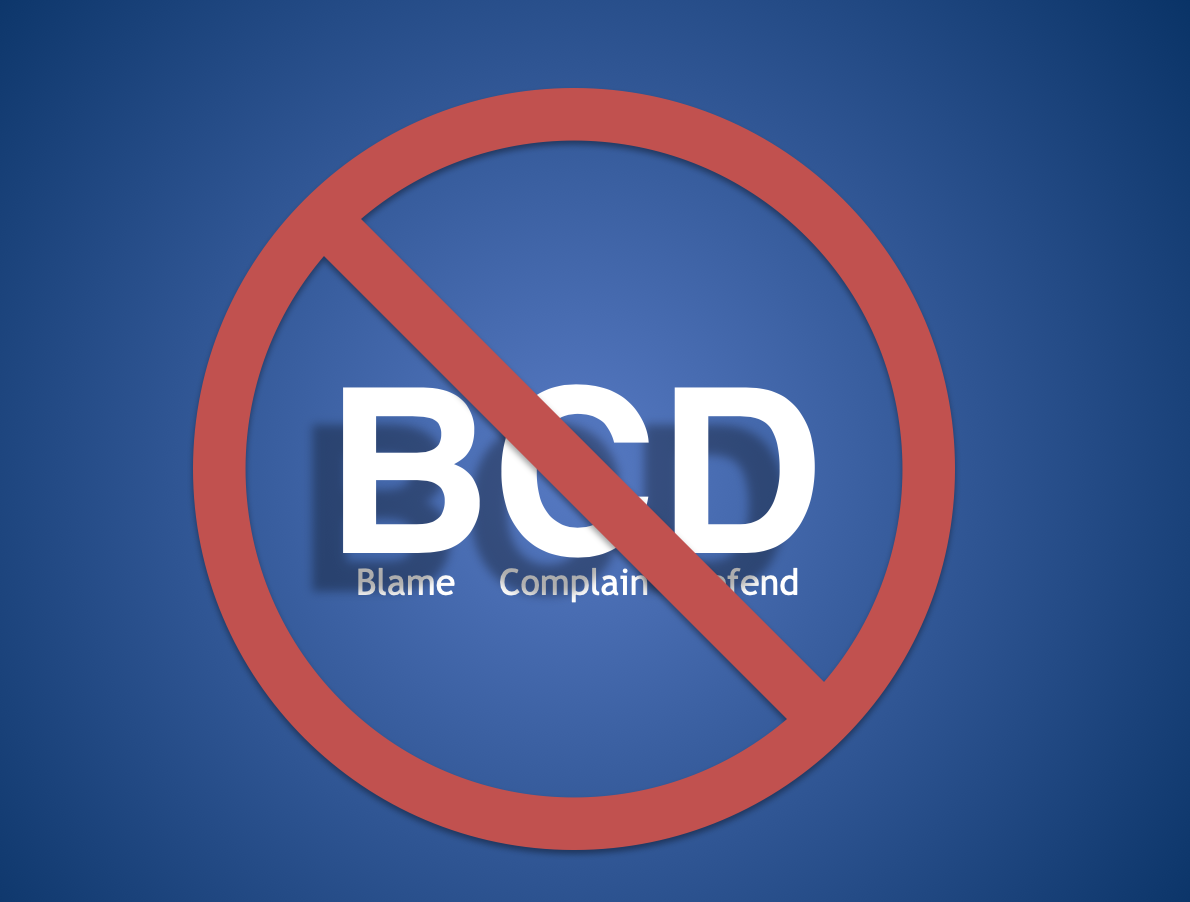
Don’t BCD ~ Blame, Complain, and Defend.

“BCD never solved a problem, achieved a goal, or improved a relationship. So stop wasting your time and energy on something that will never help you.” – Tim Kight


Covid-19 has challenged all of us. Each day, we are faced with departures from our norms and absorb real disappointments. From missing family during the holidays, to the cancellation of “The Game,” Covid-19 has impacted our lives.


The reality of our situation is that placing blame, wasting time to complain, or defending our undisciplined behavior won’t make the situation any better. When we BDC, we make the situation worse. Our negativity, our default-driven behavior, cultivates a counterproductive culture.


We all know people who always complain – who consistently blame someone else for their current situation. Social media often gives a forum for victimization and BCD. Blaming others for our current problems doesn’t create solutions; it creates more stress, anxiety, and negativity. The cycle of blame will never lead to improvement or growth.


No one is to blame for Covid-19. Our current situation is unfortunate and challenging, but it isn’t permanent. We all want our students back in the classroom; everyone is yearning to return to the traditional school experience. When we act with discipline, skill, and purpose, our response achieves the best possible outcomes.

Leaders Respond with Skill

Each of us is a leader; we have the opportunity to control the decisions we make and how we manage ourselves. Inside our 20 square feet, our area of influence, we choose how to think, interact, and behave.


The way I behave personally is what determines the culture around me. If I act with discipline, make intentional decisions, and respond to events with skill, I am modeling successful behavior for others. If I am consistent in my 20 square feet, I will earn the trust of those around me.


When others are acting out of emotion or fear during times of crisis, leaders must be disciplined. I “press pause” to first identify my emotions and secondly to hear and identify others’ feelings. A discipline-driven response is a choice; living a discipline-driven life is a skill.


I understand that this Covid-19 Pandemic increases emotions, fears, and frustrations. When people are hypercritical of my actions, when some people sink to hateful statements and attacks, discipline-driven responses are challenging yet required of me. I strive to manage my “R” with skill and be consistent in my behavior. I can’t control how other people act, but I can control how I respond.